May 12, 2026
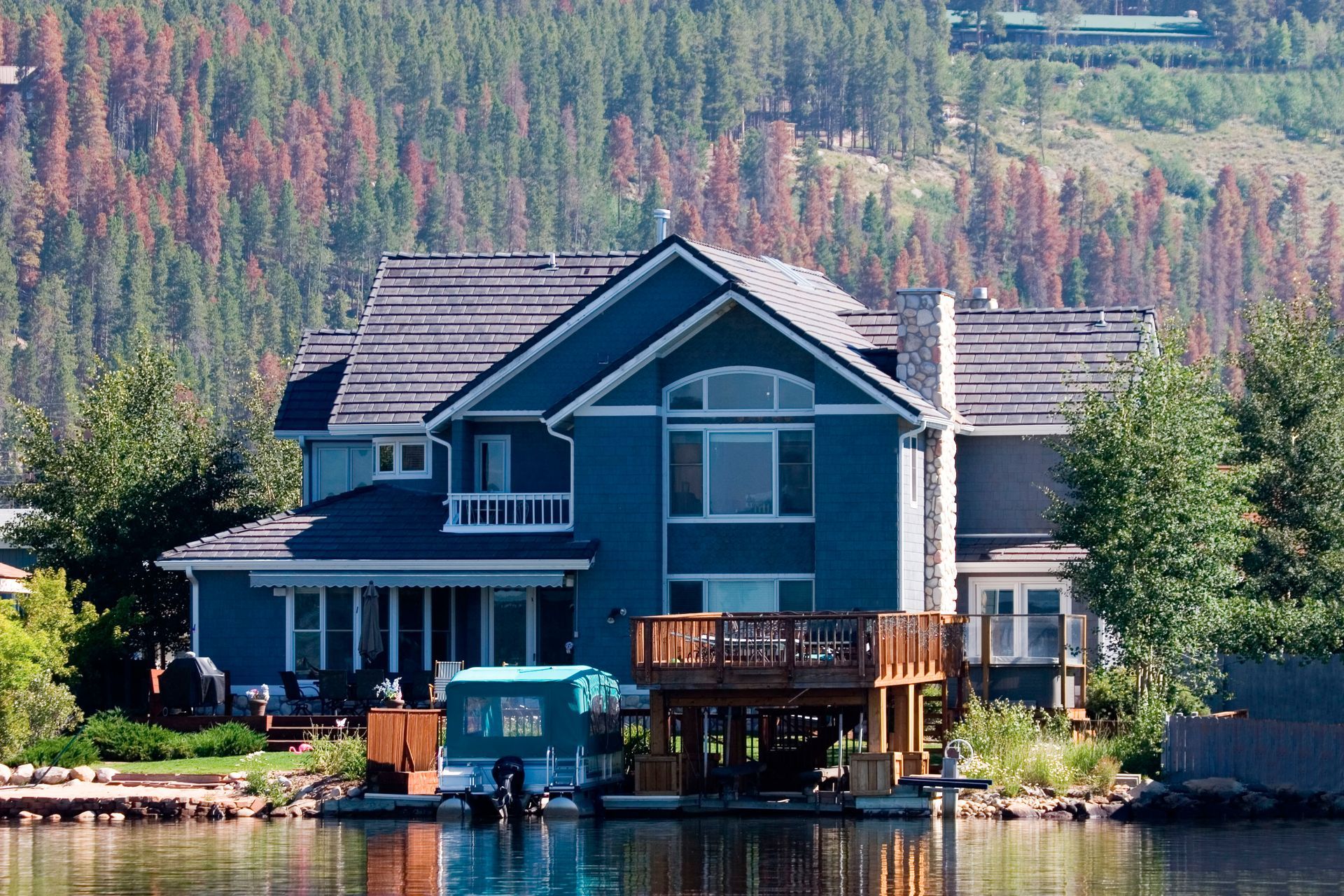
Building a lake home is an opportunity to create a space that blends comfort, natural beauty, and long-term value. With the right planning, we can design a property that not only captures scenic views but also performs well against environmental demands unique to waterfront living. Every decision—from site selection to materials—affects how your home functions over time. Taking a strategic approach ensures your investment delivers both lifestyle benefits and lasting durability.
1. Choose The Right Location And Evaluate The Site
Selecting the right property is the foundation of a successful lake house project. Proximity to the water, elevation, and shoreline conditions all influence usability, views, and long-term property value. We need to evaluate erosion risks, flood zones, and drainage patterns to ensure the site supports safe and stable construction. Access to the property, including roads and utilities, also plays a key role in both cost and convenience.
A thorough soil and foundation analysis is critical before building a lake home. Soil composition determines the type of foundation required, and overlooking this step can lead to costly structural issues later. Climate patterns, including humidity, rainfall, and seasonal temperature swings, must also be factored into planning. By addressing these variables early, we create a strong starting point for a durable and resilient structure.
2. Design A Functional And Scenic Layout
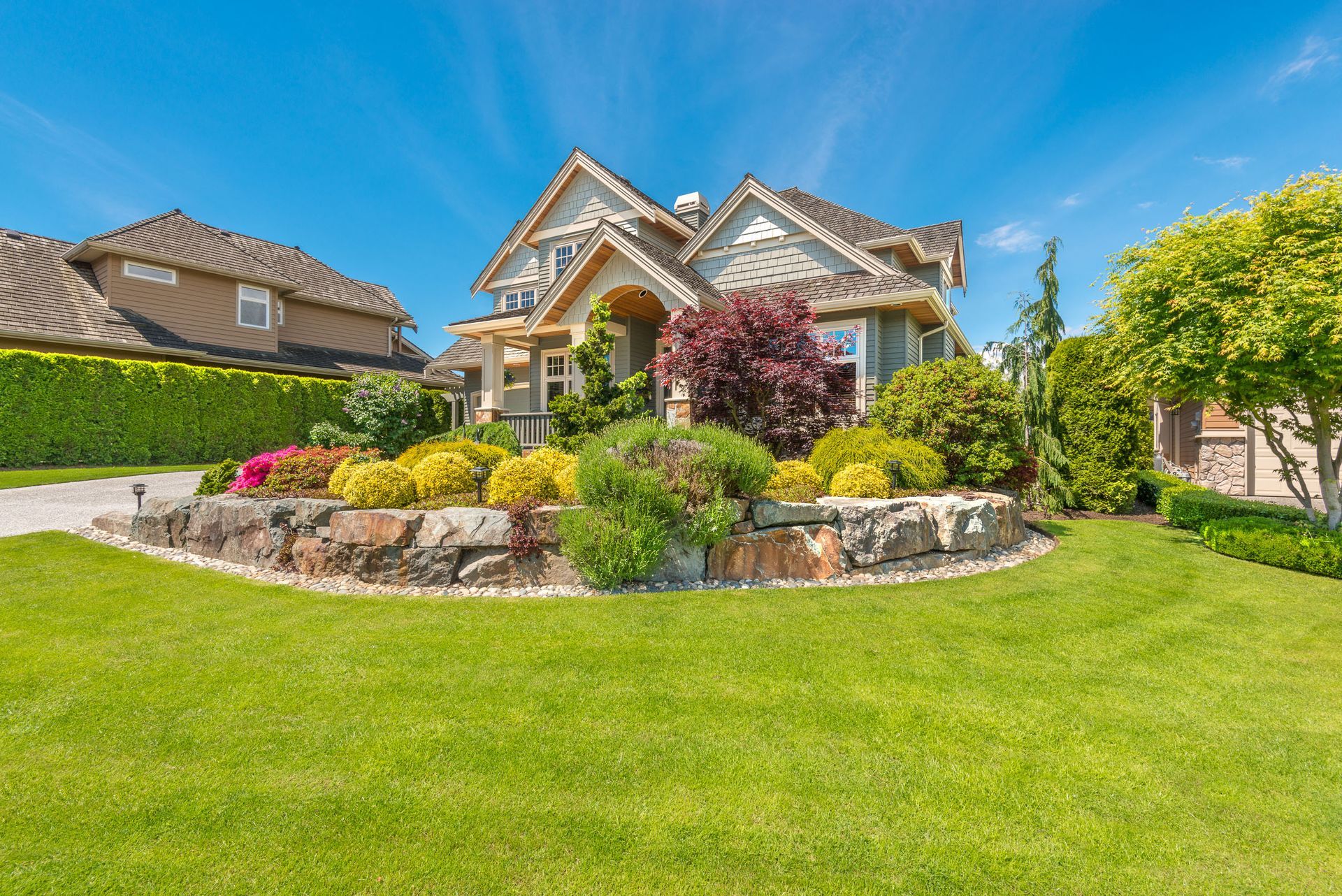
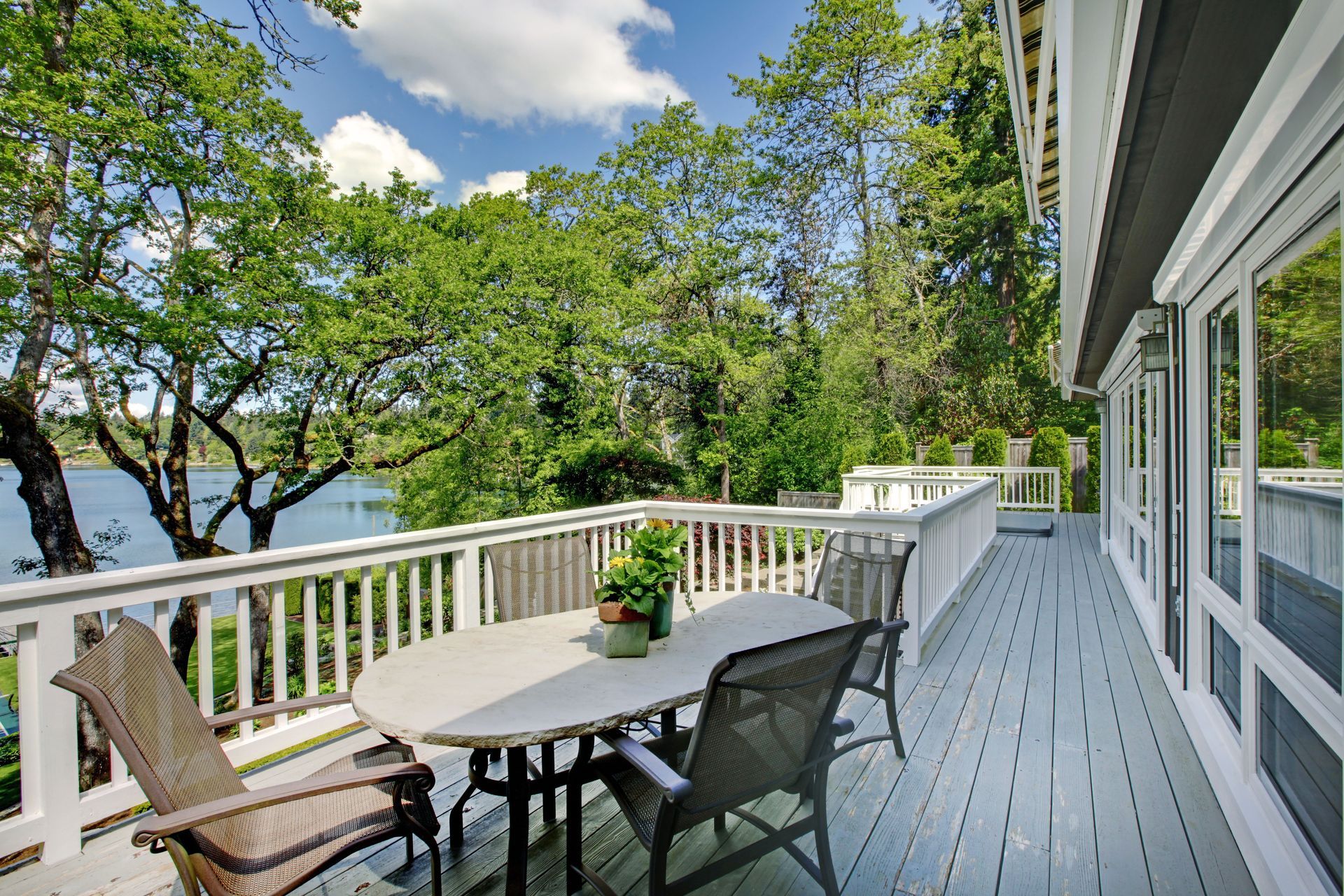
Designing a lake home requires balancing aesthetics with practical living needs. The architectural style should complement the surrounding landscape while reflecting how the space will be used year-round. We often prioritize large windows, open floor plans, and outdoor living areas to maximize water views and natural light. These elements create a seamless connection between indoor and outdoor environments.
Space planning is equally important when designing a lake house. We need to consider how many bedrooms, bathrooms, and shared spaces will support both everyday living and entertaining. Flexible layouts allow for seasonal use, accommodating guests during peak months while maintaining efficiency during quieter periods. Thoughtful design ensures the home remains functional regardless of how it’s used.
According to Realtor, new construction has emerged as an affordable alternative to resale homes, with the price per square foot of new builds actually falling below that of existing homes. This insight allows us to invest in modern layouts, energy-efficient systems, and updated design features without exceeding budget expectations. A well-planned layout not only enhances comfort but also strengthens long-term property value.
3. Select Durable Materials And Construction Methods
Material selection plays a critical role in the longevity of a lake house. Waterfront environments expose structures to moisture, temperature fluctuations, and potential storm conditions. We prioritize materials such as treated wood, composite decking, stone, and metal that resist wear and reduce maintenance demands. Choosing the right materials up front helps protect the home from premature deterioration.
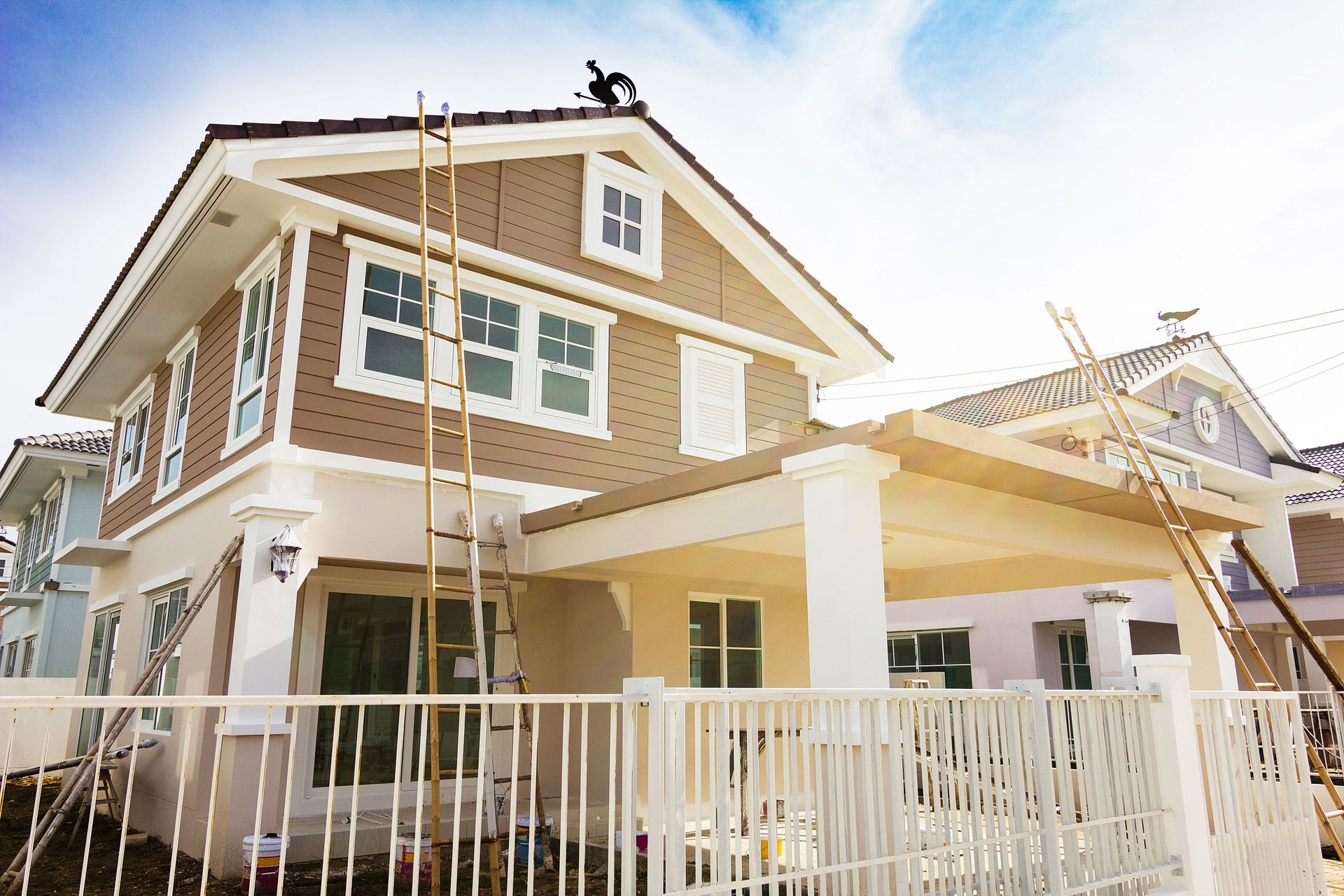
Modern construction methods can significantly improve performance and efficiency. Advanced insulation, weather barriers, and energy-efficient windows help regulate indoor temperatures and reduce utility costs. Reinforced roofing systems and moisture-resistant finishes add another layer of protection. These features contribute to a more durable structure that performs well in challenging conditions.
Water management is another essential consideration when building near a lake. Proper grading, drainage systems, and elevation strategies help prevent water intrusion and foundation damage. Incorporating these elements into the construction plan ensures long-term stability. By focusing on durability and resilience, we create a home built to withstand its environment.
4. Protect The Surrounding Environment
Building responsibly is essential when developing a lake home. Preserving native vegetation and wildlife habitats helps maintain the natural ecosystem and enhances the property’s appeal. We work to minimize land disruption by carefully planning the construction footprint and avoiding unnecessary clearing. This approach supports both environmental health and long-term property value.
Sustainable building practices also play a key role in modern construction. Using eco-friendly materials, reducing waste, and improving energy efficiency contribute to a more responsible build. These strategies often result in lower operating costs over time. Environmental awareness is not just a regulatory requirement—it’s a smart investment in the future of the property.
Water quality is another critical factor to consider. Runoff management, septic system placement, and landscaping choices all impact the health of the lake. By implementing proper systems and following environmental guidelines, we help protect this shared resource. A well-planned project benefits both the homeowner and the surrounding community.
5. Plan A Realistic Budget And Financial Strategy
Financial planning is a key component of building a lake home. We begin by estimating all costs, including land acquisition, construction, permits, and site preparation. Comparing new construction with existing property options helps determine the most cost-effective path. With new builds becoming more competitive in price, building often presents strong long-term value.
Exploring financing options is another important step. Construction loans, traditional mortgages, and specialized lending programs can all support different project needs. Understanding interest rates, timelines, and repayment structures helps us make informed decisions. Working with experienced financial professionals ensures the process remains efficient and aligned with project goals.
6. Add Features That Enhance Lifestyle And Comfort
Lifestyle-driven features are what truly define a lake home experience. Outdoor amenities such as docks, patios, and fire pits create functional spaces for relaxation and entertainment. These additions extend living areas beyond the interior and maximize enjoyment of the waterfront setting. Well-designed outdoor spaces can significantly increase both usability and property value.
Indoor features should complement how the home will be used throughout the year. Game rooms, media spaces, and flexible gathering areas provide comfort during colder months or inclement weather. Smart home technology adds convenience by allowing control over lighting, climate, and security systems. These enhancements make the home more adaptable and enjoyable in every season.
Interior design choices also contribute to long-term performance. Durable finishes, moisture-resistant materials, and easy-to-maintain surfaces are essential in a waterfront environment. At the same time, thoughtful design elements create a cohesive and inviting atmosphere. By aligning functionality with style, we create a space that feels both practical and refined.
7. Understand Insurance And Risk Management Needs
Insurance considerations are especially important for any lake home. Waterfront properties often require specialized coverage for risks such as flooding, storms, and water damage. We need to evaluate policy options carefully to ensure the home is fully protected. Proper coverage safeguards both the structure and the investment behind it.
Risk management goes beyond insurance policies. Site elevation, drainage systems, and construction methods all play a role in reducing potential hazards. By proactively addressing these factors, we minimize exposure to common issues associated with waterfront living. Prevention is always more cost-effective than repair.
Evaluating long-term value is another part of the equation. A well-built lake house in a desirable location can offer strong resale or rental potential. Understanding market trends helps guide decisions that support future returns. With the right strategy, we protect both the lifestyle and financial benefits of the property.
8. Work With Experienced Professionals From Start To Finish
Building a lake house requires coordination between multiple professionals, including architects, builders, engineers, and environmental consultants. Each plays a critical role in ensuring the project meets structural, regulatory, and design standards. Working with experienced teams helps streamline the process and avoid costly missteps. Collaboration ensures every detail is addressed with precision.
Local expertise is particularly valuable when building near water. Professionals familiar with regional conditions understand the challenges and best practices specific to the area. This insight leads to better decision-making and more efficient execution. Choosing the right partners can significantly impact the overall success of the project.
Clear communication throughout the process keeps the project aligned with expectations. Regular updates, detailed planning, and proactive problem-solving help maintain momentum. With the right team in place, we can move from concept to completion with confidence. The result is a home that meets both functional needs and long-term goals.
Building a lake home involves far more than selecting a beautiful piece of land. It requires a thoughtful approach to design, construction, environmental responsibility, and financial planning. By addressing each of these factors, we create a home that performs well, looks exceptional, and supports a lasting lifestyle investment. If you’re ready to bring your vision to life with expert guidance and proven craftsmanship, connect with Holmes Custom Homes LLC today to start planning your ideal waterfront retreat.