November 18, 2026
Building a home is one of the most significant investments a person can make. While traditional housing developments offer convenience and predictable layouts, many homeowners are increasingly interested in creating living spaces that reflect their individual preferences, needs, and lifestyles. This growing interest has contributed to the appeal of working with custom home builders, who offer greater flexibility throughout the design and construction process. From choosing architectural features to choosing energy-efficient materials, homeowners have more opportunities to shape the finished product.
What Are the Benefits of Hiring Custom Home Builders?
One of the biggest advantages of hiring custom home builders is the ability to create a home that reflects your specific needs. Rather than adapting your lifestyle to an existing floor plan, you can work with a professional team to develop a design that accommodates your daily routines, family size, hobbies, and long-term plans. Whether you want an open-concept kitchen, a dedicated home office, additional storage, or an accessible first-floor bedroom, custom construction makes these preferences part of the original design.
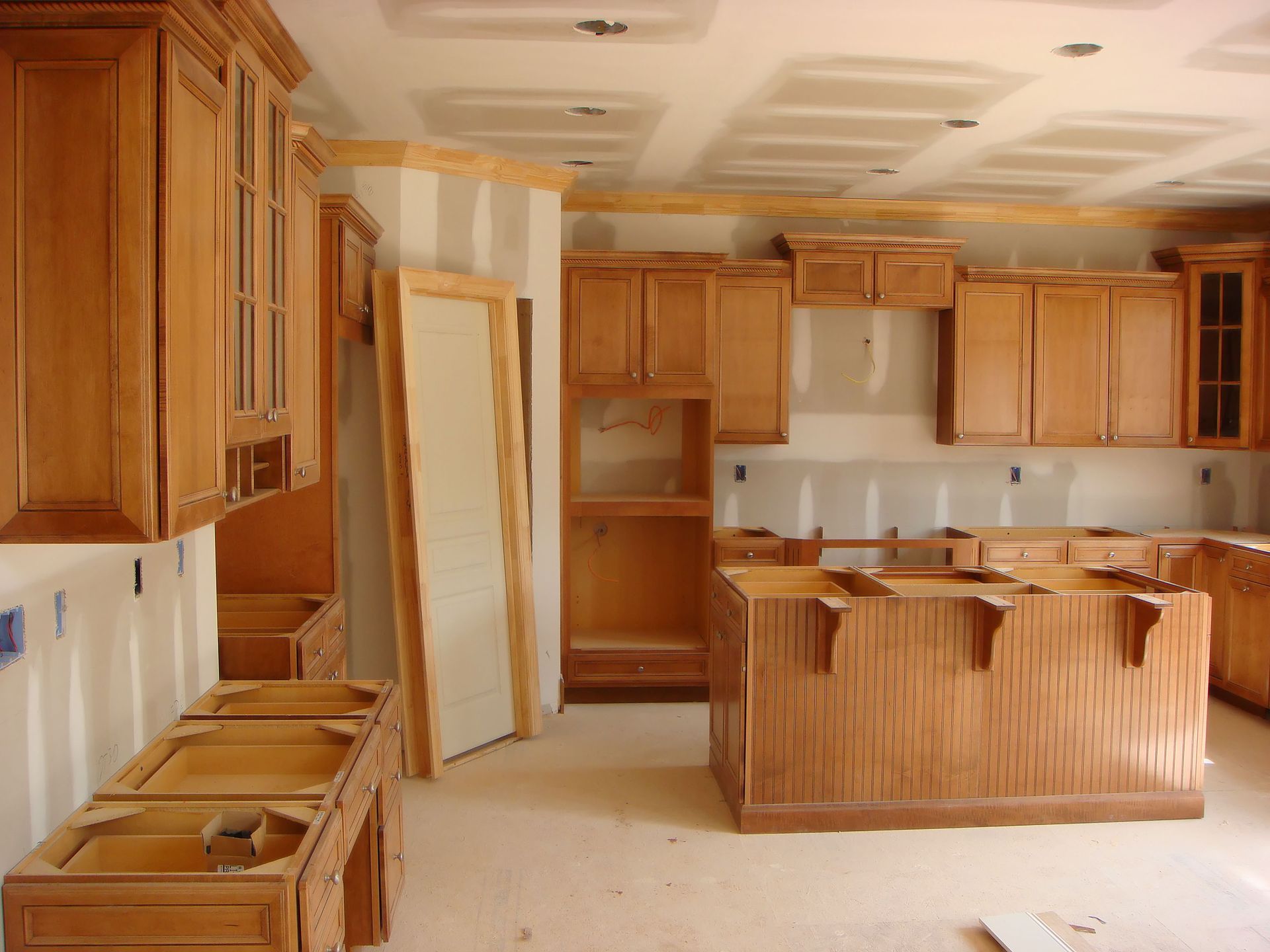
Personalization also extends to architectural details, finishes, fixtures, and building materials. Homeowners can choose everything from flooring and cabinetry to exterior siding and countertop surfaces. This level of involvement makes it easier to establish a consistent aesthetic throughout the property while prioritizing features that matter most.
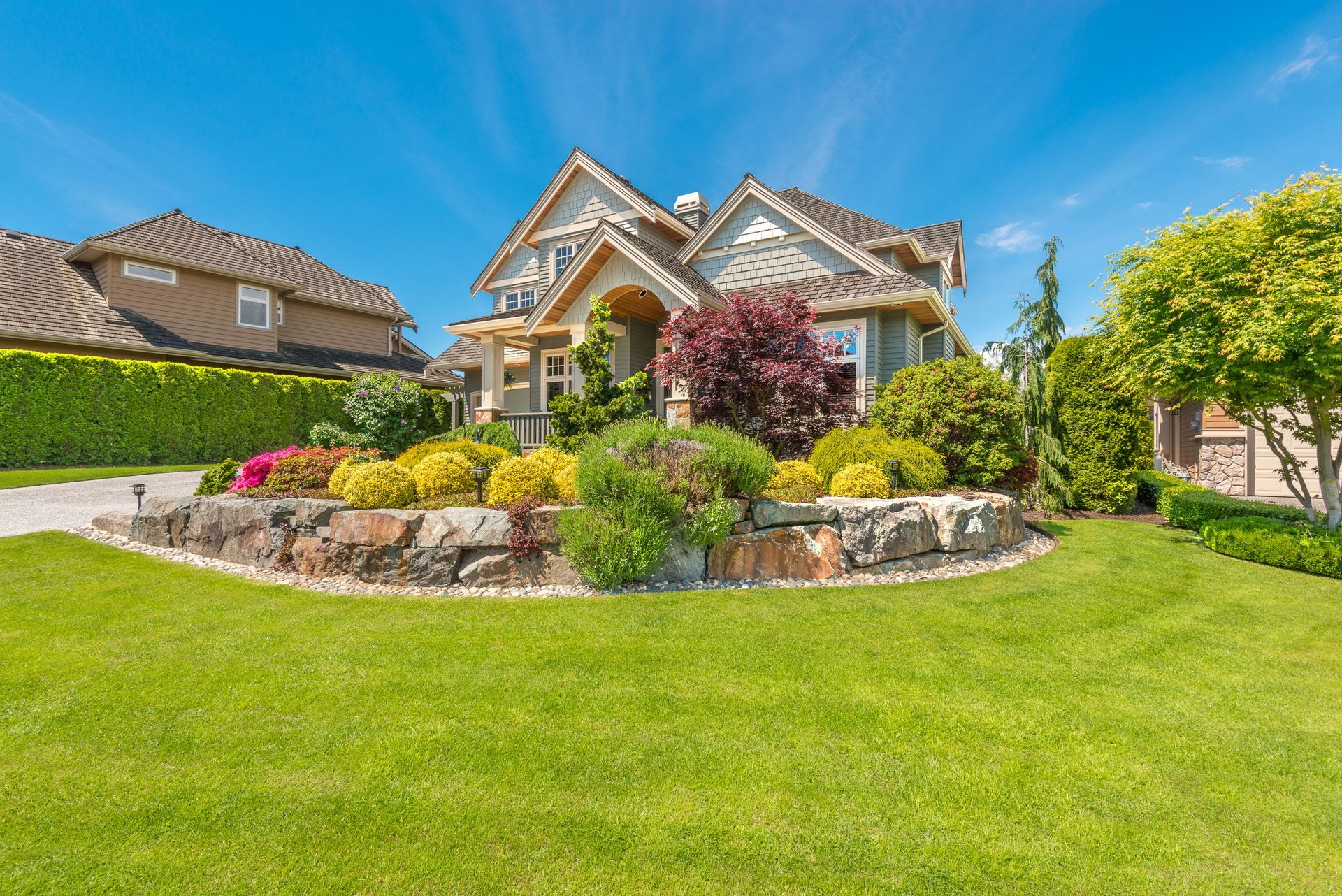
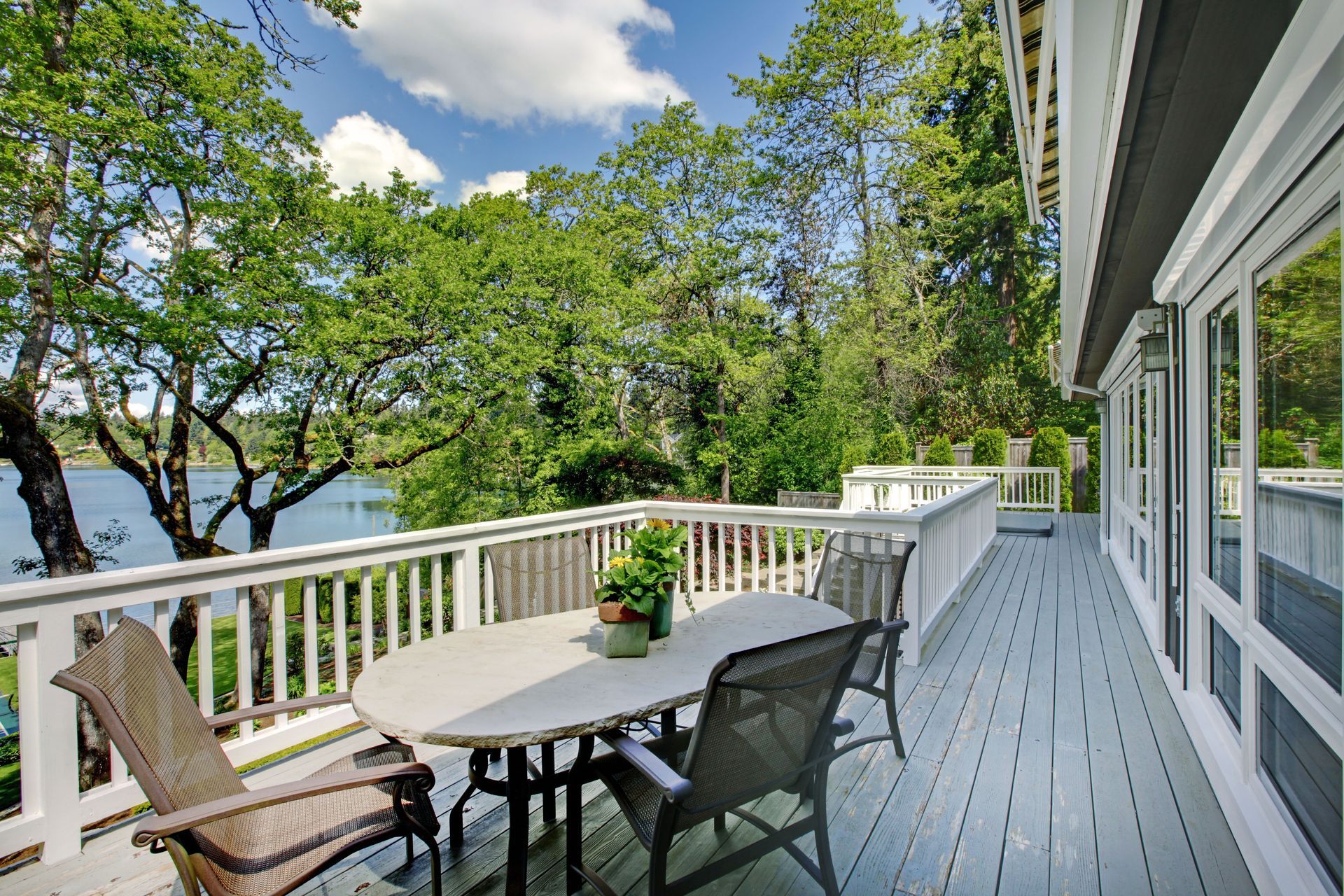
Another benefit is the opportunity to build on a property that suits your preferences. Instead of limiting your search to available homes in established neighborhoods, you can explore locations that offer the privacy, views, or outdoor space you want. Custom home builders can help account for property characteristics when developing construction plans.
How Do Custom Home Builders Differ From Production Builders?
Although both types of professionals oversee residential construction, custom and production builders generally follow different approaches. Production builders typically construct multiple homes using a limited choice of established floor plans, materials, and design packages. This approach can make construction more predictable and efficient, particularly in planned residential developments.
Custom home builders, on the other hand, generally work more closely with individual homeowners to develop unique designs. Rather than choosing from a predetermined collection of layouts, clients can collaborate with architects, designers, and construction professionals to create a home suited to their specific vision. The resulting property may have an entirely different layout, architectural style, and collection of features from neighboring homes.
The construction timeline and pricing structure can also differ. Production homes often benefit from standardized materials and repeatable construction methods, while custom projects may involve more extensive planning, specialized materials, and unique design requirements. Consequently, costs and completion dates can vary depending on the project's complexity.
According to the National Association of Home Builders, custom housing starts totaled 184,000 homes over the four most recent quarters, representing a 2% increase from the preceding period. This growth reflects continued demand for individually designed homes and demonstrates that custom construction remains an important part of the residential building industry.
What Should You Consider When Looking for a Custom Home Builder?
Choosing the right construction professional is essential to achieving a successful project. Because building a custom home involves numerous decisions and a substantial financial commitment, homeowners should take time to evaluate potential contractors before signing an agreement.
Experience is an important starting point. Look for custom home builders with a demonstrated history of completing projects similar in size, style, and complexity to yours. Reviewing photographs of previous homes can provide insight into their craftsmanship, attention to detail, and design capabilities. If possible, ask whether you can visit completed properties or speak with previous clients about their experiences.
Licensing and insurance are equally important. Verify that prospective builders meet applicable local and state requirements and carry appropriate insurance coverage. These protections help establish that the contractor operates professionally and understands their responsibilities throughout construction.
Communication should also factor heavily into your decision. A custom home project requires ongoing discussions about budgets, materials, design changes, scheduling, and unexpected challenges. Your builder should be approachable, responsive, and willing to explain important decisions in understandable terms. Clear communication helps prevent misunderstandings and keeps everyone working toward the same goals.
How Do Custom Home Builders Help in Achieving Sustainable Homes?
Sustainability has become an increasingly important consideration in residential construction. Homeowners want properties that offer long-term comfort while reducing energy consumption, limiting waste, and making responsible use of natural resources. Working with custom home builders provides an opportunity to incorporate these priorities from the earliest planning stages.
Energy efficiency is one of the most significant areas to address. Builders can recommend high-performance windows, improved insulation, properly sealed building envelopes, and efficient heating and cooling equipment. These features help maintain comfortable indoor temperatures while reducing the amount of energy required to operate the home.
Material choices also influence a property's environmental footprint. Homeowners can explore responsibly sourced lumber, recycled materials, durable flooring, and products manufactured using environmentally conscious processes. Choosing long-lasting materials can reduce the need for frequent replacements and help minimize construction waste over time.
Water conservation is another consideration. Low-flow plumbing fixtures, efficient appliances, rainwater collection systems, and drought-tolerant landscaping can help reduce unnecessary water consumption. Depending on the property and local regulations, homeowners may also consider systems that reuse certain types of household water.
Site planning plays an important role as well. Positioning windows to take advantage of natural light, considering the home's orientation, and incorporating appropriate shading can improve comfort and reduce reliance on artificial lighting and mechanical climate control.
What Is the Custom Home Building Process Like?
Building a custom home involves several stages, each requiring careful coordination between the homeowner and construction team. Understanding the general process can make the experience less overwhelming and help establish realistic expectations.
The first step is typically an initial consultation. During this meeting, homeowners discuss their goals, preferred architectural styles, property requirements, approximate budget, and desired timeline. This conversation helps establish the project's overall direction and determines whether the builder is a good fit.
Next comes planning and design. Homeowners work with the appropriate professionals to develop floor plans, architectural features, and determine how different spaces will function. This stage may involve several revisions as the design becomes more refined. Establishing priorities early can help prevent unnecessary changes later.
Once the design is finalized, the project moves into budgeting, permitting, and preparation. The construction team develops a more detailed cost estimate, coordinates necessary approvals, and prepares the property for building. Depending on the location and project complexity, obtaining permits can take time.
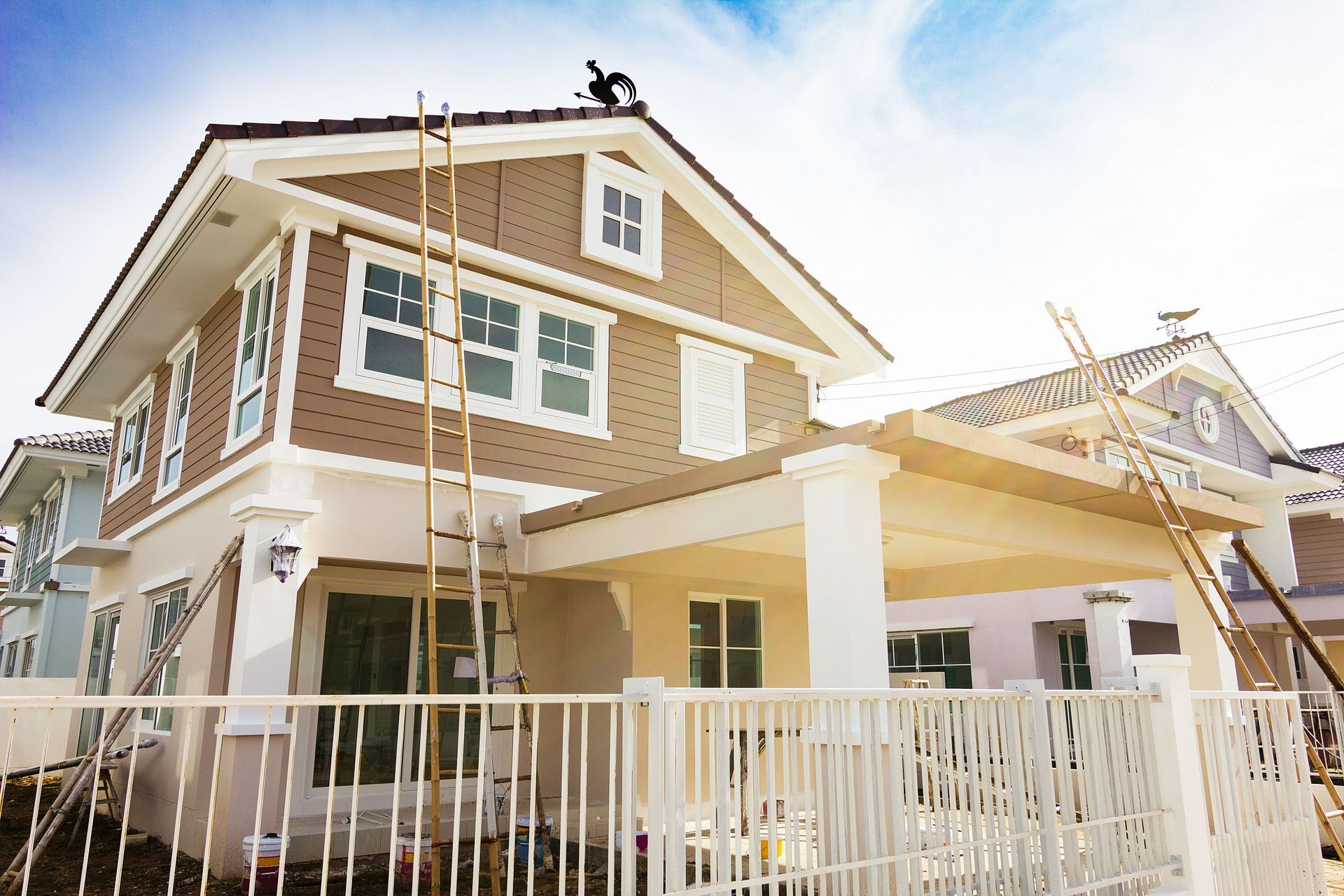
Construction begins after the necessary preparations are complete. This typically involves site work, foundation installation, framing, roofing, plumbing, electrical systems, insulation, and interior finishing. Throughout these stages, homeowners should maintain regular communication with their builder to review progress and address questions.
The final stage involves inspections, finishing touches, and a walkthrough. Homeowners can identify outstanding items, confirm that agreed-upon work has been completed, and discuss warranties and maintenance requirements before taking possession.
Working with
custom home builders gives homeowners the opportunity to create properties that reflect their individual preferences, functional requirements, and long-term goals. From personalized floor plans and material choices to sustainable construction practices, custom building offers flexibility that traditional production housing may not provide. Although the process requires careful planning and collaboration, choosing an experienced professional can make the experience more manageable. If you're looking for custom home builders, reach out to the team at Holmes Custom Homes today!